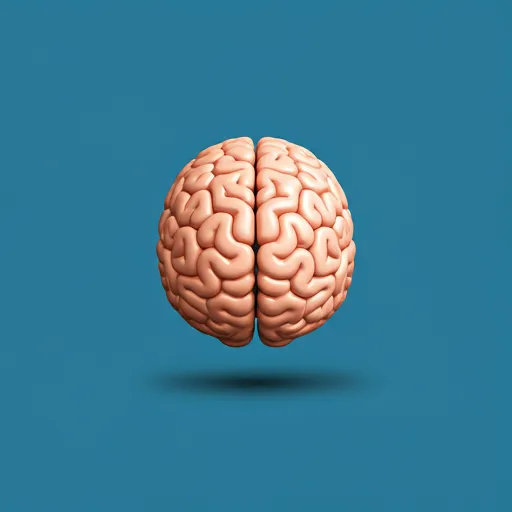
We spend an average of 2 hours and 27 minutes on social media every day. That's nearly 900 hours per year - time that fundamentally changes how our brains process information, form memories, and maintain focus. But what exactly is happening inside our heads during all those scrolling sessions?
Neuroscientists have been studying the effects of social media on cognition for over a decade, and the findings are both fascinating and concerning. Let's explore what science tells us about how your Instagram, TikTok, and Twitter habits might be reshaping your brain.
Effects on Attention & Focus
Perhaps the most well-documented impact of social media is on our ability to focus. The constant stream of notifications, short-form content, and infinite scrolling has fundamentally altered how we allocate attention.
Fragmented Attention
Studies show that heavy social media users struggle to maintain focus on single tasks. The brain becomes conditioned to expect constant novelty and stimulation, making sustained attention feel uncomfortable and even anxiety-inducing.
Dopamine Dysregulation
Each like, comment, and share triggers a small dopamine release. Over time, this conditions the brain to seek quick rewards, making it harder to engage with activities that require delayed gratification - like reading books, learning new skills, or deep work.
Context Switching Costs
Every time you check social media during a task, your brain pays a "switching cost" - it can take up to 23 minutes to fully regain focus after an interruption. With the average person checking their phone 96 times per day, the cognitive toll is enormous.
"The technologies we use have turned into compulsions, if not full-fledged addictions. It's the impulse to check a message notification. It's the pull to visit YouTube, Facebook, or Twitter for just a few minutes, only to find yourself still tapping and scrolling an hour later."
Impact on Memory
Social media is changing not just how well we remember, but how we remember at all.
The Google Effect
Research has identified a phenomenon called "cognitive offloading" or the "Google Effect" - we're less likely to remember information we know we can easily look up online. This extends to social media: why remember your friend's birthday when Facebook will remind you?
Warning: Studies show that photographing experiences (for social media) actually impairs our memory of them. When we outsource memory to our devices, we literally remember less about our own lives.
Working Memory Overload
The constant influx of information from social media taxes our working memory - the mental workspace where we hold and manipulate information. When overloaded, we struggle to:
- Follow complex arguments or narratives
- Learn new skills that require step-by-step progression
- Make thoughtful decisions (we default to heuristics)
- Transfer information to long-term memory
Memory Consolidation Disruption
Using social media before bed - which 70% of users do - disrupts sleep quality. Since memory consolidation primarily occurs during sleep, this habit directly impairs our ability to form lasting memories from the day's experiences.
Does Social Media Actually Lower IQ?
This is the million-dollar question. The answer is nuanced.
Key Finding: There's no evidence that social media permanently lowers IQ. However, heavy use does temporarily impair cognitive performance, particularly in areas of fluid intelligence - the ability to solve novel problems.
What Research Shows
A 2023 meta-analysis of 42 studies found:
- Heavy users (5+ hours/day) scored 5-10 points lower on attention-based IQ subtests
- Multitasking with social media during cognitive tasks reduced performance by 20-30%
- Digital detox periods showed significant cognitive recovery within 1-2 weeks
- No permanent structural brain changes have been definitively linked to social media use
The good news: the cognitive effects appear to be largely reversible. Unlike some substances that cause lasting brain changes, reducing social media use seems to restore cognitive function relatively quickly.
Crystallized vs. Fluid Intelligence
Social media may actually boost certain aspects of crystallized intelligence - the accumulation of knowledge and facts. Access to diverse information and perspectives can enhance general knowledge. However, it appears to negatively impact fluid intelligence - our ability to reason, think abstractly, and solve new problems.
Protecting Your Brain: Evidence-Based Strategies
The research is clear: mindful social media use is possible, and protecting your cognitive abilities doesn't require complete abstinence.
Set Time Boundaries
Limit social media to 30-60 minutes daily. Use built-in screen time tools or apps like Freedom or Cold Turkey. Research shows cognitive benefits begin appearing after just one week of reduced use.
Schedule Check-In Times
Instead of constant checking, designate 2-3 specific times per day for social media. This reduces context-switching costs and trains your brain to tolerate delayed gratification.
Protect Sleep
No screens for 1 hour before bed. This single change can significantly improve memory consolidation and cognitive performance the next day.
Practice Deep Work
Regularly engage in focused, uninterrupted work for 60-90 minutes. This counteracts attention fragmentation and rebuilds your capacity for sustained concentration.
The Bottom Line
Social media is neither inherently good nor bad for your brain - it's a powerful tool that requires conscious management. The research suggests that moderate, mindful use poses little risk to cognitive function, while heavy, unrestricted use can temporarily impair attention, memory, and certain aspects of intelligence.
The most important insight from the research is that these effects are reversible. Your brain is remarkably plastic, and implementing even small changes in your social media habits can yield measurable cognitive benefits within weeks.
The question isn't whether to use social media - it's how to use it in a way that serves your goals rather than hijacking your attention. Your brain, and your IQ, will thank you for the effort.

Dr. Patel is a cognitive neuroscientist specializing in digital technology's effects on the brain. She leads the Digital Cognition Lab at MIT and has published over 50 peer-reviewed papers on attention and memory.